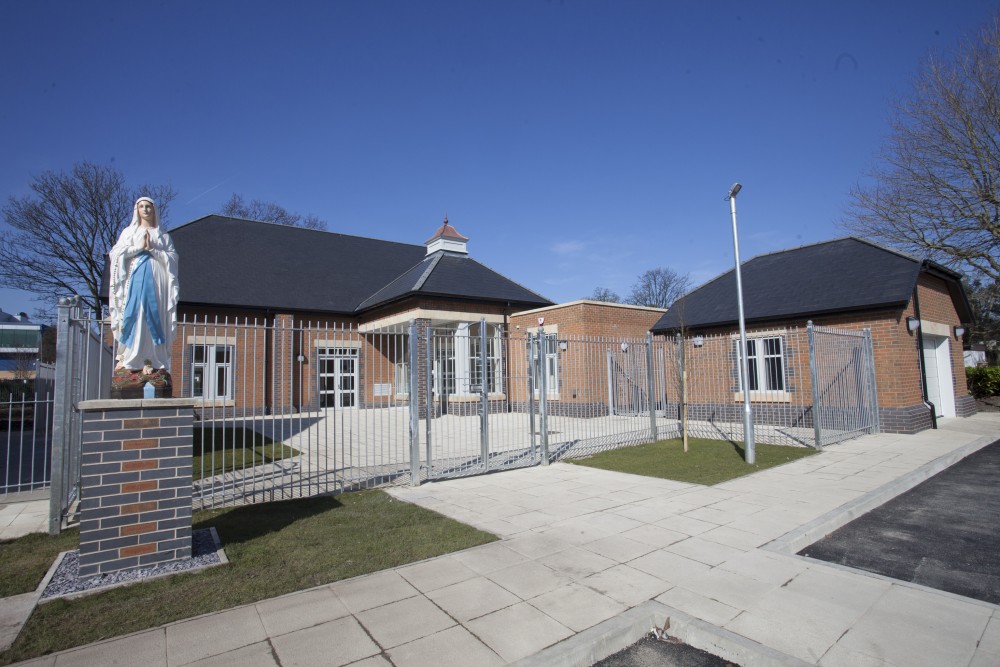
Parish hall
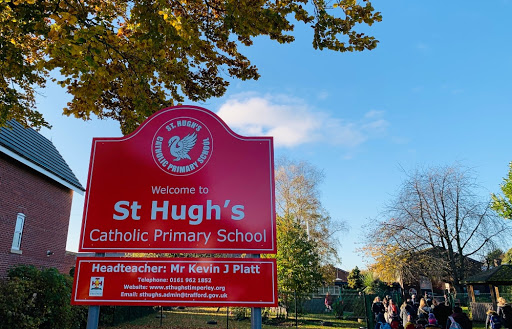
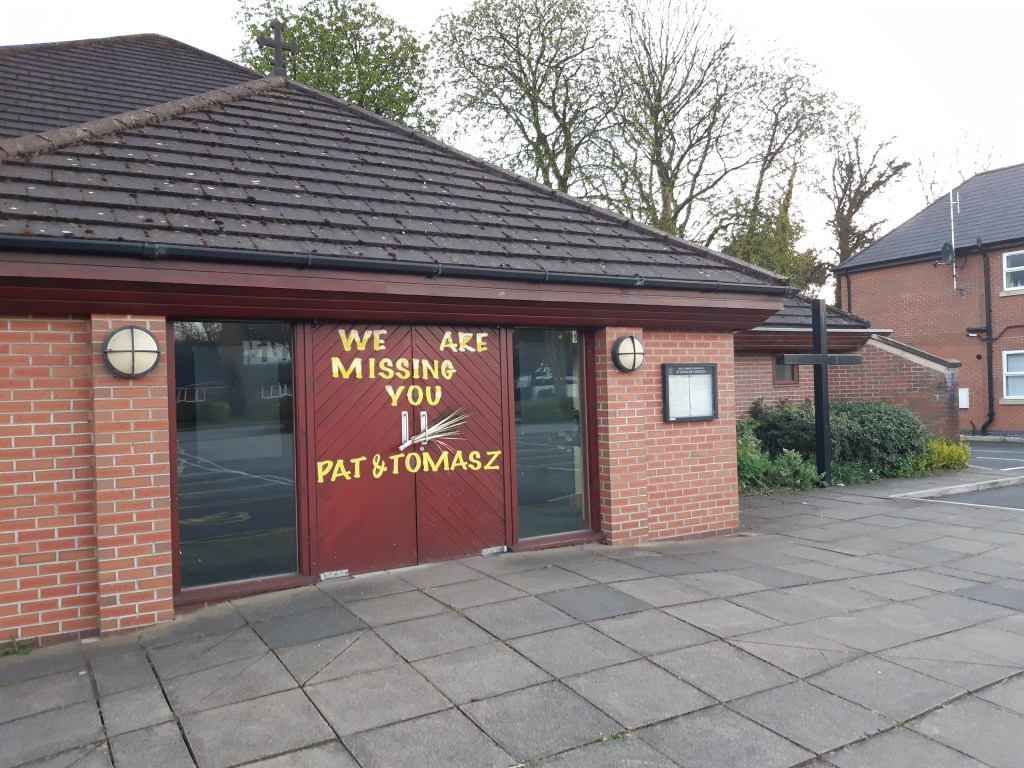
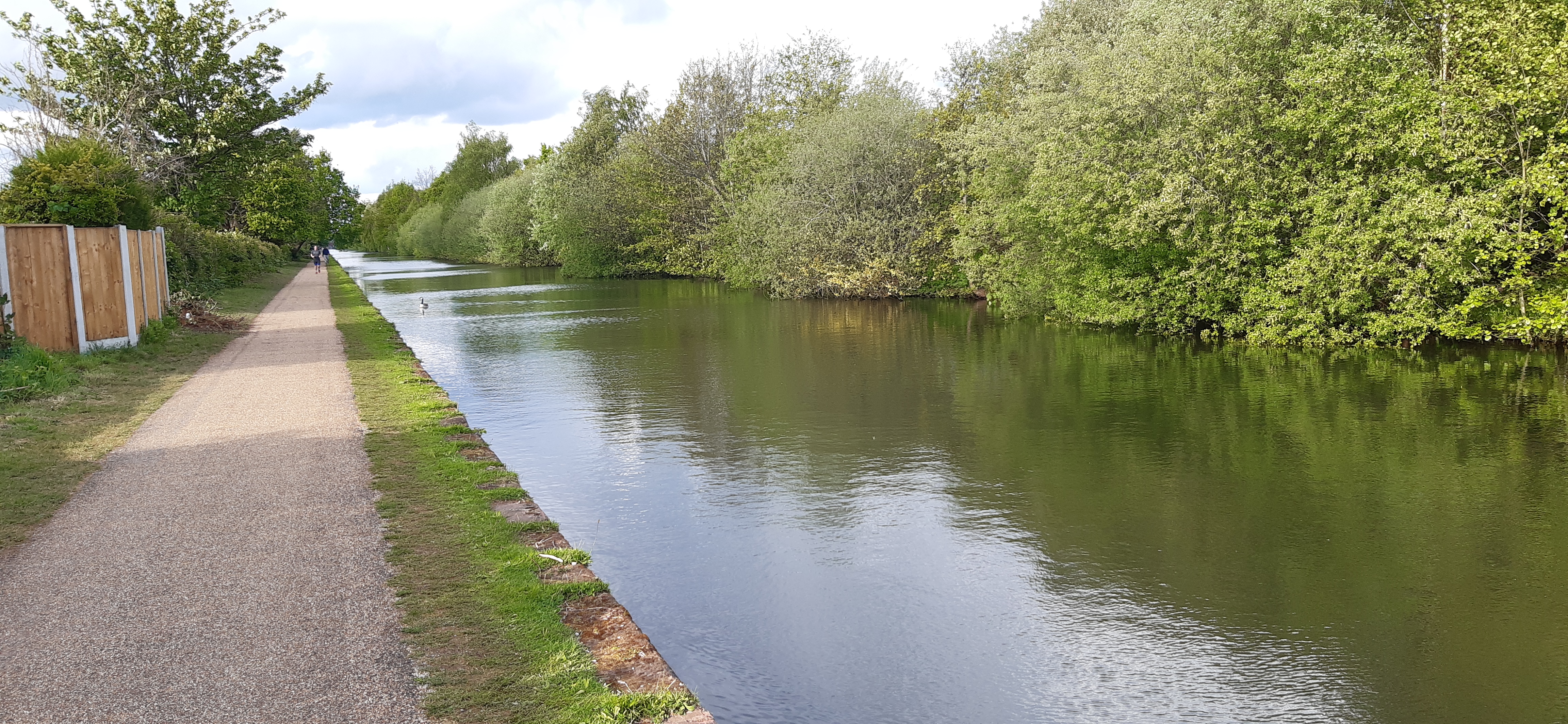
Timperley, where I now live is a suburban village in Altrincham in the borough of Trafford, Greater Manchester, England. It borders Altrincham to the South, Sale to the North and Wythenshawe to the East. The story of Timperley can be traced back to the 7th century when Anglo Saxon settlers arrived from the South and integrated with Britons already living there (and now the Polish have arrived!)The name Timperley derives from Timber Leah, the Anglo-Saxon (Old English) for a “clearing in the forest”. Before the Industrial Revolution Timperley was predominantly an agricultural settlement focusing mainly on arable crops. For any gardeners and /or Vegetarians you will be interested to hear that Timperley was once famous for the Timperley Early Rhubarb, the Altrincham Carrot and the Bowden Down potato! Today, it has evolved as an urban community within easy reach of the city and countryside with a population of approximately 11,000 people. Cycling by the Bridgewater Canal I can clearly see why Timperley is a sought-after location in which to live.
And it is here that you will also find the thriving parish of St. Hugh & St. John where I am now based. A short distance from our church is St. Hugh’s Catholic Primary School which is permanently watched over by its patron – Bishop Hugh of Lincoln. He must be doing a good job because the school is classed as Outstanding by the Ofsted Inspectors. I visit the school regularly and am impressed by its welcoming atmosphere of joy and warmth.
Our parish of St. Hugh & St. John the Baptist was once a daughter-parish of St. Vincent de Paul in Altrincham. Our parish dates to 1929, when Canon Hugh Welch, parish priest of St. Vincent’s bought Timperley House, a ruined Victorian mansion with a useful piece of land near the intersection of Manchester Road and Park Road. The first Parish Priest, Fr. Peter Burke celebrated Mass in a small chapel made possible by two rooms being knocked into one. In 1930 Bishop Hugh Singleton gave permission for a ‘temporary’ church to be built as he was not convinced at the time that this fledgling parish would continue to grow. However, this building dedicated in December 1931 served the needs of the parish for 50 years but it no longer exists.Fr. Burke’s successor, Fr. Thomas Butler was instrumental in the building of the present presbytery. The house is typical of the 1930’s style and is still pleasant and comfortable. Fr. Thomas would be pleased that his namesake Fr. Tomasz is now residing there and looking after this house very well!
In February 1979, shortly after Fr. Michael Dyson succeeded Canon Briscoe, a decision was taken to replace St Hugh’s ‘temporary’ church with a permanent building. It was dedicated on 13th December 1981exactly 50 years after the dedication of the original ‘temporary’ building. The present church was quite modern at the time with its open – plan design and in the words of the architect, Anthony Bean RIBA: a pyramid roof supported on a perfect square. It was purpose built for post-Vatican II liturgy and is easy to maintain.
In September 2008, Fr. Denis Herlihy, Parish Priest at St. John’s for ??? years, retired and a decision was taken to amalgamate the Parish of St. John the Baptist with St. Hugh of Lincoln, thus creating the new parish of St. Hugh and St. John. A special Mass on Trinity Sunday, 7th June 2009 marked the closure of St. John the Baptist having served that community for 49 years. From that day we now travel with Jesus as one parish.
On the time of Fr. Anthony Myers who gave great service to the parish as a parish priest (1996-2017), the money generated by the sale of St. John The Baptist lands enabled Shrewsbury Diocese to build a new parish hall on the grounds of St. Hugh’s church. Two small apartments for retired priests were also built one of which is currently being used by Canon Pat Munroe PP while he recovers from an illness. I am pleased to say he is making great progress and participating with great joy in the spiritual and pastoral life of this parish.
The 10 best things to do near Timperley:
- to Sale Water Park on bike: if you have a bike, you can get a very good ride from Timperley to Sale Water Park. You can start your trip from Asda (Altrincham Retail Park), through Dairy House Farm Livery, then turn left to Sinderland Ln, turn right to the SUEZ recycling point BUT don’t go there – just pass it by – go straight to the forest which leads you to Dainwell Park. From there go to the street-food van (Give us a bit) and try to reach Stromford Brook and Mersey (Riverbank Coffee). Cycling through Ousel Brook, Kickety Brook you have to reach a junction and from this point you can join path to Sale Water Park (and do nice circle) or if you have had enough – join public path by the canal to Sale and Timperley. On your way you will find a good pub – The Bridge Pub & Dining. Buy a pint of cider or beer and piece of pizza from wooden burner (available in summer). Duration of this ride: included Sale Water Park – it’s about 2h (adults), 3h (adults + little ones), without SWP – about 1,5h (adults), 2,5h (adults + little ones);
2.
 Tomasz MAMELKA - Timperley